%2Ffit-in%2F250x250%2Fguide_websites%2F17627%2Fimages%2F1722294375182image17.png&w=1920&q=100)
California Flounder and Eel Catch in Port Isabel TX
Inshore Fishing in Port Isabel - What to Expect
%2F%2Fusers%2Fe454a567-f3a0-4bac-8bc7-ba24400372c3%2Fimages%2Fport-isabel-flounder-eel-catch-2623.jpg&w=1920&q=75)
Fishing Charter by Captain Austin Camacho in July
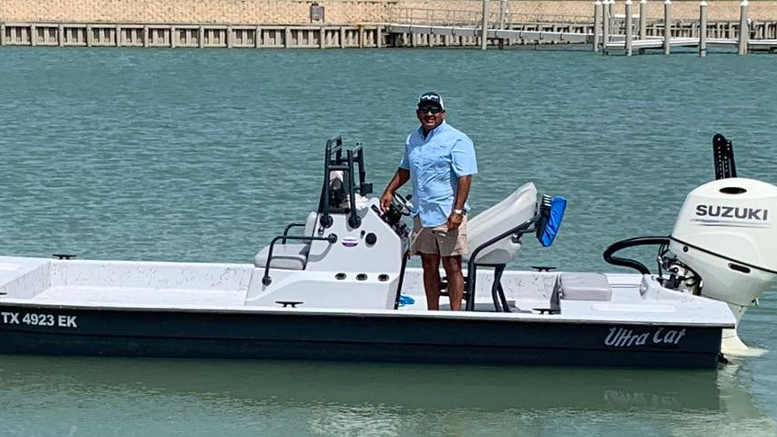
- Exciting Fishing Charters Port Isabel Texas!


Summary
Join Captain Austin Camacho of Austins Fishing & Hunting Guide Service on a Sunday in July for an inshore fishing charter in Port Isabel, TX. This guided fishing trip targets species like California Flounder and American Eel, offering an authentic coastal experience in South Texas waters with hands-on instruction and local expertise.
Fishing Charter with Captain Austin Camacho - Rates & Booking
Captain Austin Camacho of Austins Fishing & Hunting Guide Service operates guided fishing charters in Port Isabel on Sunday in July. This hands-on fishing experience targets the productive inshore waters of the South Texas coast, where anglers encounter species adapted to shallow bays and estuaries. To book your charter or inquire about rates and availability, contact the guide service directly through Jimmy's Marina and Bait Shop, a trusted local hub for fishing information and tackle.
Captain Camacho brings local knowledge of Port Isabel's changing tidal patterns, seasonal species movements, and productive fishing grounds. His expertise helps both experienced and novice anglers understand the conditions that make each trip successful. Trust signals include his reputation in the local fishing community and his commitment to sharing proper techniques for catch and release practices.
Highlights of Inshore Fishing with Captain Camacho
Port Isabel's inshore environment combines productive shallow bays, grass flats, and deeper channels that support diverse fish populations year-round. The area's proximity to the Gulf of Mexico creates dynamic water conditions where tidal movements concentrate fish in predictable patterns. This fishing charter offers opportunities to work different depths and structures, giving participants insight into how fish behave across varying habitat types.
Anglers on this trip experience the thrill of sight-fishing in clear shallows and also explore deeper pockets where larger species hold. The guided approach means learning not just where to fish, but why certain locations produce at different times of tide and season. This experiential education transforms a fishing outing into a deeper understanding of coastal fishery dynamics.
Local Species Insights: California Flounder and American Eel
California Flounder (also known as Pacific Flounder or Halibut in some regions) are flat-bodied ambush predators adapted to bottom-dwelling life. These fish use camouflage to blend with sand and mud substrates, remaining motionless until prey passes nearby. In Port Isabel waters, flounder typically inhabit shallow bays during cooler months and deeper channels as temperatures rise. They feed on small fish and crustaceans, making them responsive to both live bait and artificial lures that mimic natural prey. Their lateral eyes allow them to watch activity above while staying concealed on the bottom, a hunting strategy that defines their behavior in inshore environments.
American Eels are catadromous fish, meaning they spawn in the ocean but spend most of their adult lives in freshwater and brackish systems like those surrounding Port Isabel. These nocturnal hunters have elongated, flexible bodies that allow them to navigate complex environments including marsh grasses, rootballs, and rocky structures. Eels feed primarily at night on small fish, crustaceans, and organic matter, using their keen sense of smell to locate food in low-visibility conditions. Understanding eel behavior helps anglers recognize ideal locations like channel drop-offs and structure-rich areas where these fish concentrate during daylight hiding periods.
Both species thrive in Port Isabel's unique blend of freshwater influence from the Rio Grande, Gulf water entering through natural passes, and man-made channels. The resulting salinity gradients create overlapping habitat zones where diverse fish populations coexist. This productive environment supports healthy populations capable of providing consistent fishing opportunities throughout the year. Captain Camacho's knowledge of how these species use available habitat translates directly into fishing success and educational value for participants who want to understand coastal ecology through hands-on experience.
Plan Your Fishing Day
A typical inshore fishing charter in Port Isabel involves early starts to maximize productive tidal periods and cooler water conditions. Participants should expect to move between multiple fishing locations based on real-time conditions and what fish are actively feeding. The guide provides instruction on casting technique, lure or bait selection, and fish handling, ensuring all skill levels can participate meaningfully. Comfort items include sun protection, adequate drinking water, and weather-appropriate clothing. Safety equipment and proper licensing are provided by the charter service, allowing you to focus entirely on the fishing experience and learning opportunity.
Fishing in Port Isabel: California Flounder and American Eel

California Flounder Overview
Welcome to the world of the California Flounder (Paralichthys californicus), a fascinating member of the Paralichthyidae family within the order Pleuronectiformes. This unusual flatfish is one of Southern California's most intriguing bottom dwellers, known for its distinctive small head, formidable teeth, and remarkable ability to vanish into the sandy seafloor. What makes the California Flounder particularly special is that it breaks the mold of typical flatfish behavior—roughly half the population is right-eyed rather than left-eyed, making it genuinely atypical among its cousins. Whether you're an angler exploring the waters off Southern California or a curious seafood enthusiast, this species offers both challenge and culinary reward.
California Flounder Habitat and Distribution
The California Flounder thrives along the Pacific coast, ranging from Magdalena Bay in Baja California, Mexico, all the way north to the Quillayute River in British Columbia. You'll also find populations in the upper Gulf of California. The heart of their activity, however, centers around Southern California and the San Francisco Bay area, where they prefer sandy and muddy sediments on the ocean floor. These fish are demersal by nature, meaning they spend most of their adult lives hugging the bottom in inshore and nearshore waters, typically found between 100 and 330 feet of water. They congregate in bays and estuaries for spawning and juveniles settle in nurseries before eventually migrating toward the open coast as they mature. Some adventurous individuals venture near the surf zone, but most remain content in deeper, calmer waters.
California Flounder Size and Weight
California Flounder typically range from 54 to 60 inches in length, with weights generally between 6 and 30 pounds. However, specimens have been documented reaching at least 60 inches and weighing up to 72 pounds—truly impressive catches for dedicated anglers. These fish can live remarkably long lives, with some individuals reaching 30 years of age. Their oval-shaped body is noticeably more compact than the Pacific Halibut, which they're often mistaken for, and their dorsal and anal fins sport a more curved appearance compared to the more angular fins of their larger cousins. The eyed side typically displays greenish-brown or greyish coloring speckled with patterns, while the blind side is pale white or cream colored.
California Flounder Diet and Behavior
Though the California Flounder spends most of its time resting motionless on the seafloor, it's far from a passive feeder. When hunger calls, this fish becomes an active predator, using its exceptional camouflage and sharp teeth to ambush unsuspecting prey. It readily chases down meals, sometimes rising toward the surface in pursuit of food—behavior that occasionally brings it to the attention of observant anglers. The diet consists primarily of squids, sardines, and anchovies, though it will take other small fish species. Their sharp teeth and powerful bite are nothing to trifle with; anglers are strongly advised to handle these fish with care and respect. The California Flounder's color-changing abilities are genuinely impressive, allowing it to match the exact shade of the surrounding seafloor within minutes, making it nearly invisible to both prey and predators alike.
California Flounder Spawning and Seasonal Activity
The California Flounder exhibits interesting lifecycle patterns that influence angling success. Juveniles begin life as pelagic swimmers with eyes on both sides of their heads. As they mature over their first year, their eyes migrate to one side, and they begin their descent toward the bottom. Males typically reach maturity around 2 to 3 years and make their way toward the open coast, while females grow significantly larger before undertaking their coastal migration. Late spring marks the spawning period, making this season particularly productive for anglers targeting California Flounder. While the species isn't highly migratory, these seasonal movements create predictable hotspots and windows of opportunity that experienced anglers know well. Year-round availability means you can pursue this species almost any time, but timing your effort around the spawn dramatically increases your odds of success.
California Flounder Techniques for Observation and Capture
Flounder Gigging: One of the most effective and exciting methods for targeting California Flounder is night-time gigging from shallow-draft flats boats. Anglers deploy LED lights aimed at the bottom, which prevents the flounder from changing colors and blending into the seafloor. This technique makes the fish highly visible and vulnerable. Using a gig with multiple prongs, you strike quickly once a target is spotted. This method is especially popular in bays and shallow nearshore areas and requires stealth, patience, and good lighting equipment.
Drift Fishing with Light Tackle: For a more traditional approach, drift fishing over sandy bottoms with light tackle yields excellent results. Cast live bait—bull minnows, live squid, sardines, Pacific mackerel, mullet, pinfish, spots, croakers, or shrimp—and allow your line to drift with the current. A trap hook setup is recommended because California Flounder often mouth bait rather than fully committing to strikes. If you hook one, expect a determined but not particularly acrobatic fight. Around Southern California's coastal bays and near-shore drop-offs, this technique produces consistent catches from spring through early fall.
Artificial Lures: While live bait outperforms artificials significantly, bouncing small plastic grubs on jig heads along the bottom can produce moderate success for anglers willing to cover water. This technique works best during active feeding periods and requires patience and a sensitive touch to detect strikes.
California Flounder Culinary and Utilization Notes
The California Flounder earns top marks at the dinner table. When served raw, it boasts a clean, buttery flavor and tender texture that sushi enthusiasts appreciate. For cooked preparations, the flesh is remarkably forgiving, readily absorbing complementary flavors from sauces, herbs, and cooking methods. The key to success is a light hand—overcooking toughens the meat quickly, so brief cooking methods like pan-searing, poaching, or light baking work best. A single serving of California Flounder provides approximately 30 percent of an adult's recommended daily protein intake and delivers excellent sources of omega-3 fatty acids, vitamins B-6 and B-12, and potassium. The skin shrinks only moderately during cooking, making it ideal for filleting and pan-frying without distortion. For health-conscious diners and culinary adventurers alike, this species represents a sustainable, nutritious, and delicious choice.
California Flounder Frequently Asked Questions
Q: What is the best bait for catching California Flounder?
A: Live bait significantly outperforms artificial lures for this species. Bull minnows, live squid, sardines, Pacific mackerel, mullet, pinfish, spots, croakers, and shrimp are all effective. Use a trap hook setup to maximize hooking opportunities, as California Flounder often mouth bait before fully committing to a strike.
Q: Where can I find California Flounder near Southern California?
A: The best populations occur in bays and estuaries from San Francisco southward along the California coast. Look for sandy or muddy bottoms in depths of 100 to 330 feet. Specific hotspots include San Diego Bay, Huntington Harbor, Newport Harbor, and various nearshore areas along the Orange County and Los Angeles coasts.
Q: Is California Flounder good to eat?
A: Absolutely! California Flounder is considered excellent for the table. It features buttery, clean-tasting flesh that readily absorbs flavors. Cook it quickly with a light touch to preserve tenderness, and you'll enjoy a highly nutritious meal rich in protein, omega-3s, and B vitamins.
Q: When is the best time to catch California Flounder?
A: While available year-round, late spring during the spawning season offers the most productive fishing. Summer and early fall also provide excellent opportunities. Night-time gigging is effective year-round, particularly in shallow bays.
Q: How do I handle California Flounder safely?
A: Exercise extreme caution with the sharp teeth—these fish can bite hard and cause injury. Use a wet glove or cloth to grip them, avoid placing fingers near the mouth, and consider using a fish gripper designed for flatfish.
Q: Are California Flounder and Pacific Halibut the same fish?
A: No. California Flounder is smaller with a more oval body and more curved fins compared to the Pacific Halibut's larger, more angular frame. Additionally, roughly half of California Flounder populations are right-eyed, which is atypical for flatfish—a trait that distinguishes them from Pacific Halibut.
American Eel Overview
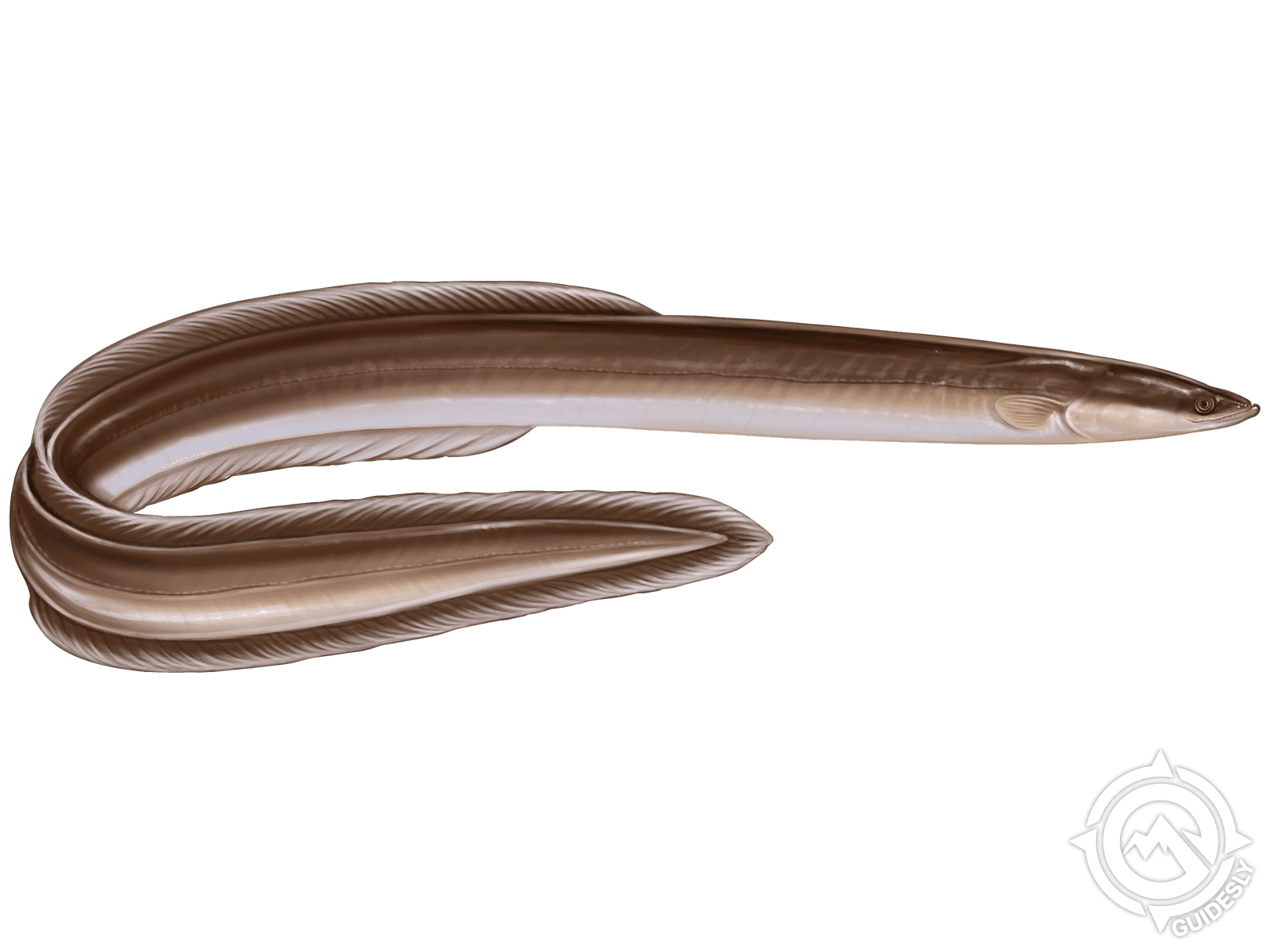
The American Eel (Anguilla rostrata), belonging to the family Anguillidae and order Anguilliformes, is one of North America's most fascinating and mysterious freshwater fish. These remarkable snake-like creatures are instantly recognizable by their slender, muscular bodies coated in a thick layer of protective mucus that gives them their characteristic slimy appearance. Despite looking completely naked to the naked eye, they're actually covered in minute scales that provide additional defense. What makes the American Eel truly special is its incredible life cycle: these eels spend years in freshwater rivers and lakes before mysteriously migrating thousands of miles across the Atlantic Ocean to spawn in the Sargasso Sea. For anglers and nature enthusiasts exploring inland waterways from the Great Lakes to local streams, encountering an American Eel is always an exciting moment that reminds us just how wild and interconnected our ecosystems truly are.
American Eel Habitat and Distribution
American Eels are native to freshwater systems across the eastern Atlantic coastline of North America, ranging from the Great Lakes down through the Mississippi River drainage system and into countless tributary streams and lakes. Their natural habitat includes muddy-bottomed rivers, shallow lakes, and coastal estuaries where they spend the majority of their lives as bottom dwellers. These secretive fish prefer to burrow themselves into mud, silt, and vegetation in shallow depths, creating hidden lairs from which they can ambush unsuspecting prey. Interestingly, coloration varies significantly based on water type and chemistry: clearer waters typically host lighter-colored eels, while acidic streams tend to contain darker-tinged individuals. While recordings show American Eels have expanded their range westward to places like Lake Mead and Arizona border rivers, many populations remain underestimated simply because these bottom-dwelling creatures are so difficult to observe in their natural habitat.
American Eel Size and Weight
The American Eel typically reaches lengths between 30 to 60 inches, with most individuals in the 1 to 4 feet range, making them noticeably smaller than some of their eel cousins found in other parts of the world. Weight generally falls between 8 to 17 pounds for mature specimens, though larger females can occasionally exceed these averages. An interesting sexual dimorphism exists within the species: females grow significantly larger than males and display lighter coloration, smaller eyes, and proportionally higher fins. Their elongated, conical head tapers to a terminal mouth with small, well-developed eyes and relatively non-elongated jaws lined with small, pectinate or setiform teeth arranged in multiple series. This streamlined body design perfectly suits their role as ambush predators lurking in bottom substrates and vegetation.
American Eel Diet and Behavior
American Eels are opportunistic carnivorous feeders that consume a wide variety of prey including small fish, insect larvae, crustaceans, and organic detritus. These nocturnal hunters are most active during nighttime hours when they emerge from their muddy burrows to search for food along the river or lake bottom. They employ a hunting strategy based on stealth and surprise, positioning themselves beneath shelters and vegetation to ambush passing prey. During daylight hours, they retreat to their constructed homes in mud and plant matter, where they remain relatively inactive. A fascinating behavioral adaptation occurs when water temperatures drop below 40 degrees Fahrenheit: American Eels enter a torpor state similar to hibernation, reducing their metabolic activity and food intake to near-zero levels. This survival mechanism allows them to endure harsh winter conditions in northern climates while maintaining minimal energy expenditure.
American Eel Spawning and Seasonal Activity
The American Eel possesses one of nature's most extraordinary life cycles, classified as facultative catadromous due to their migration between freshwater and saltwater environments. In their native freshwater habitats, they spend 5 to 20 years growing and developing before an inexplicable biological trigger initiates their spawning migration. During this dramatic transformation, eels undergo physiological changes including darkening of their coloration, changes in eye size, and modifications to their digestive system. They then migrate downstream and out into the Atlantic Ocean, traveling approximately 5,000 miles to the Sargasso Sea where they spawn in deep oceanic waters. After spawning, the adults die, but their larvae (called leptocephali) drift back across the Atlantic on ocean currents, eventually transforming into glass eels and elvers that enter coastal rivers and begin their upstream journey. Females can produce up to 4 million eggs during a single spawning event, ensuring population continuation despite the perilous journey. This remarkable migration typically occurs during fall and early winter months when water temperatures begin to cool.
American Eel Techniques for Observation and Capture
Night Fishing with Live Bait: The most effective method for catching American Eels involves fishing at night during their active feeding periods. Use live baitfish such as shiners, minnows, or small shad presented near the bottom in areas with muddy substrate and vegetation. Fish along undercut banks, around fallen logs, and in deeper holes where eels establish their territories. Deploy rod and reel setups with sensitive bite detection or use traditional hand lines. Focus your efforts during the warmer months from May through September when eels are most active, and particularly during the hour after sunset and before dawn.
Trap and Pot Fishing: Traditional eel pots and traps remain highly effective capture methods, particularly in areas where they're legal. These specialized traps funnel eels into a confined chamber from which escape is difficult. Bait them with fresh fish pieces, chicken liver, or eel pheromone attractants. Set traps along the bottom in channels, around structure, and in areas with current. This passive method allows you to fish multiple locations simultaneously and works effectively during both day and night hours.
Localized Tip—Around the Great Lakes Region: Anglers fishing tributaries and inlet streams throughout the Great Lakes have experienced excellent success targeting American Eels during their seasonal migrations. Focus on areas where streams enter the main lake bodies during fall months when temperature drops trigger migration behavior. Fish the slower-moving sections and deeper pools where eels congregate before making their ocean journey.
American Eel Culinary and Utilization Notes
American Eels possess good food quality and have been consumed for centuries across North America and Europe. The flesh is rich, fatty, and flavorful, with a unique texture that some compare to freshwater catfish. Eels are excellent sources of omega-3 fatty acids, protein, and various essential vitamins and minerals including vitamin A and selenium. Traditional preparation methods include smoking, which is particularly popular in Northern European and Asian cuisines, as well as braising, frying, and stewing. The culinary appeal of American Eels has made them targets for both recreational and commercial fishing operations, though sustainability concerns have prompted stricter regulations in some regions. When properly cleaned and prepared, these fish provide a delicious and nutritious meal that connects diners to centuries of culinary tradition. Many consider smoked eel to be a delicacy, and the meat's rich fat content makes it particularly suitable for preservation methods like curing and smoking.
American Eel Frequently Asked Questions
Q: What is the best bait for catching American Eels?
A: Live baitfish such as shiners, minnows, and small shad are most effective. Fresh chicken liver, fish pieces, and specialized eel pheromone baits also work well. The key is presenting bait near the bottom where eels hunt during nighttime hours.
Q: Where can I find American Eels in the Great Lakes region?
A: Look for them in muddy-bottomed lakes, slower-moving stream sections, deeper pools, and around structure like fallen logs and undercut banks. Tributary streams entering main lake bodies are particularly productive during fall migration seasons.
Q: Are American Eels good to eat?
A: Absolutely. American Eels are considered a delicacy in many cultures and offer good food quality with rich, flavorful flesh. They're excellent sources of omega-3 fatty acids and protein. Smoking, braising, and frying are popular preparation methods, with smoked eel particularly prized as a delicacy.
Q: When is the best time to catch American Eels?
A: Fish for them primarily from May through September during warmer months when they're most active. Night fishing is most productive, particularly during the hour after sunset and before dawn. Fall months are excellent for targeting eels during their spawning migration season.
Q: Why do American Eels migrate to the ocean if they live in freshwater?
A: American Eels are facultative catadromous fish, meaning they spend most of their lives in freshwater but migrate to the Sargasso Sea in the Atlantic Ocean to spawn. After 5-20 years of growth in freshwater systems, a biological trigger causes them to journey 5,000 miles across the ocean where they reproduce and die. Their larvae then drift back across the Atlantic to begin the cycle anew.
Q: What do I do if I catch an American Eel?
A: Handle them carefully as they're quite slippery. Wet your hands first to improve grip and reduce injury to their protective mucus layer. If you plan to keep the eel, use a sharp blow to the head for humane dispatch. If releasing, gently return it to the water. Many anglers use specialized handling gloves designed specifically for eel capture.